
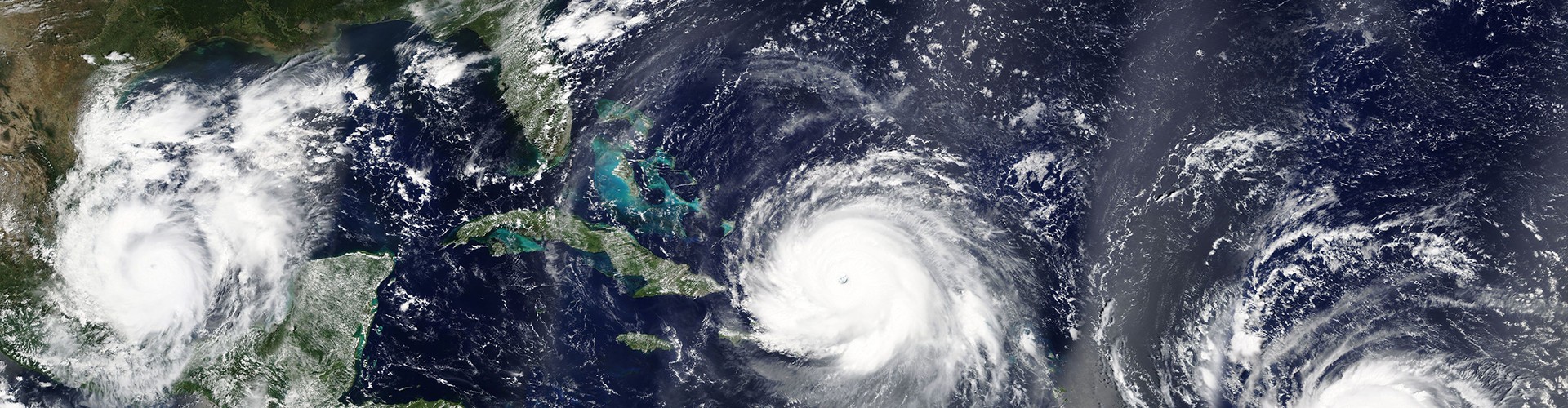
This coming August marks 2 years since Hurricane Harvey devastated Texas. Damage from Hurricane Harvey is estimated at $128.8 billion dollars, and over 30,000 people were displaced and 200,000 homes and businesses were damaged or destroyed.[1] For the Houston area in particular, in the past several years we have seen numerous devastating storms in addition to Harvey, including the Tax Day Flood in 2016 and the Memorial Day Flood in 2015.
Like many of our fellow Texans, those of us who work with or serve on the boards of community associations were left shocked and feeling helpless by the magnitude of the devastation. Devastating storms are inevitable, so preparedness and proactivity are of critical importance in coping with and overcoming the damage these storms cause. This article will discuss a number of topics that your association should consider to prepare for the 2019 hurricane season and beyond.

- Flood Insurance
For your community association, the sorts of conversations and decision-making factors regarding flood insurance may be highly different from those of another association. First, particularly for condominiums, if your association is located in a high-risk flood zone, a master flood policy may be required as a condition of purchase or sale of units. Additionally for condominiums, understanding the differences in coverage between the Residential Condominium Building Association Policy (RCBAP) and a master hazard policy is vitally important. It is also important to note that owners should consider insuring the contents of their unit over and above what may be provided for in a RCBAP or master hazard policy.For other associations, a review of the governing documents should be undertaken to determine the sorts of insurance policies the Association must maintain. It’s possible flood insurance may be one of these policies.Flood insurance can be a significant expense for an association, so shopping around for quotes is recommended. Additionally, inviting insurers to speak at an association meeting can be highly beneficial in determining what sort of policy and rates make the most sense for your association. - Reserve Study/Reserve Account
A review of your association’s finances in preparation of hurricane season is recommended. If your association does not already have a capital reserve account, opening one is a good idea. Following a devastating storm, your association will likely have significant repairs to or even replacement of association-owned buildings and other property. It is not advisable to dip into the association’s operating account to fund these projects. A reserve study is also recommended. A reserve study provides the Board with a funding plan for anticipating and preparing for major repair and replacement projects. Please refer to my article “Planning for the Future: Strategic Planning in a Community Association” from the firm’s April 2019 newsletter for additional information on this topic. - Communication and Assistance
One of the silver linings of a severe weather event like Harvey is the triumph of the human spirit. With regard to Harvey, it was inspiring to see financial and physical aid not only from Houstonians but also from all corners of the country and even the globe.You may be asking what, if anything, your association can do to aid owners before, during, and after the storm. Staying informed and making sure others are informed is essential for coping with a devastating storm. If it is possible and safe to do so, your association can play its part by keeping owners informed of local weather conditions and assisting displaced owners with information or referrals to nearby shelters and humanitarian aid groups by use of the association’s online portal/messaging service or other social media. I had recently moved to the Energy Corridor prior to Harvey, an area that was heavily affected by the controlled releases after the storm. Up-to-date information was critically important, especially before and during the controlled releases. I utilized a number of different resources, including word of mouth from neighbors, social media, weather-tracking websites such as spacecityweather.com, and the Harris County Flood Control District press conferences that made an overnight celebrity out of Jeff Lindner. The Association can do its part by making sure owners are aware of these resources.Be cautioned that the association’s charity should be measured and limited: outright donations of association funds to one or more owners affected by the storm can draw claims of favoritism, a misuse of association funds from other owners and can subject the association to potential liability. If you have questions concerning what actions are appropriate for your association to take to assist owners in connection with a severe weather event, do not hesitate to consult our firm.Your association should take stock of how your particular community was affected when considering how to proceed with collection and deed restriction compliance actions following a severe weather event. A compassionate and understanding approach is recommended and eliciting feedback from owners may be beneficial. However, barring extreme conditions, collection and compliance efforts should resume as normal without a significant delay. Also, board members should be aware that while an owner’s obligation to pay mandatory assessments can be deferred, the obligation cannot be waived.
 - Utilize Your Network and Resources
Following Harvey, it was difficult for associations to secure contractors for repairs as delays and waiting lists were lengthy. Utilizing CAI, your management company’s preferred vendors, and even suggestions from board members or owners to secure reliable contractors in a pinch is recommended. Though it may be impossible to avoid delays, having a phone number or email address handy for a contractor is always a good idea.
 The Association can do its part by making sure owners are aware of these resources.Be cautioned that the association’s charity should be measured and limited: outright donations of association funds to one or more owners affected by the storm can draw claims of favoritism, a misuse of association funds from other owners and can subject the association to potential liability. If you have questions concerning what actions are appropriate for your association to take to assist owners in connection with a severe weather event, do not hesitate to consult our firm.Your association should take stock of how your particular community was affected when considering how to proceed with collection and deed restriction compliance actions following a severe weather event. A compassionate and understanding approach is recommended and eliciting feedback from owners may be beneficial. However, barring extreme conditions, collection and compliance efforts should resume as normal without a significant delay. Also, board members should be aware that while an owner’s obligation to pay mandatory assessments can be deferred, the obligation cannot be waived.
Though it’s impossible to predict the short-term effects and the magnitude of damage in connection with a severe weather event, your community does not necessarily have to suffer long-term. Following these tips will assist your association in coping with a devastating storm at every stage.
[1] NOAA National Centers for Environmental Information (NCEI) U.S. Billion-Dollar Weather and Climate Disasters (2019). https://www.ncdc.noaa.gov/billions/


Leave a Comment